Dryer and Washer Repair: Fix Common Problems Before They Cost You
A broken washer or dryer can throw your whole week off course. Laundry piles up fast, and what starts as a small noise or a slow spin can turn into a flooded floor or a load of damp towels that never dries. The good news is that most appliance failures follow predictable patterns, and knowing them saves you time, money, and a lot of frustration. In this guide, we walk through the warning signs that your machine needs attention, the simple checks you can safely handle yourself, and the most common washer and dryer problems we see in homes every day. We also break down how to decide whether a repair is worth it or whether replacement makes more sense, so you can make a confident call instead of guessing.
Warning Signs Your Washer or Dryer Needs Repair
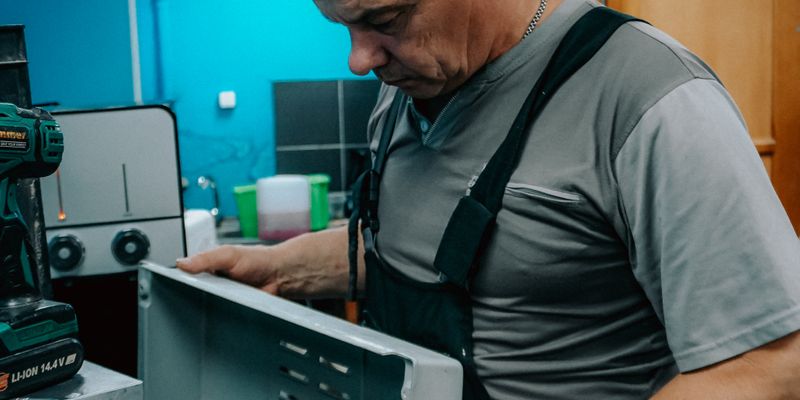
Appliances rarely fail without notice. They send signals first, and catching them early usually means a cheaper, faster fix. Pay attention if your washer starts shaking hard enough to walk across the floor, if it leaves standing water in the drum, or if clothes come out dripping wet after a full spin cycle. Grinding, banging, or high-pitched squealing during a cycle points to worn bearings, a loose belt, or something caught in the pump. On the dryer side, watch for loads that take two or three cycles to dry, a drum that tumbles without any heat, or a machine that shuts itself off mid-cycle. A burning or musty smell deserves immediate attention and the machine should be unplugged until it is inspected. Leaks, rust streaks under the unit, and error codes on the display are other clear indicators that dryer and washer repair is needed. One occasional odd noise is normal; a pattern that repeats every load is not.
DIY Checks You Can Do Before Calling a Technician
Before you pick up the phone, a few safe checks solve a surprising share of problems. Start with power: confirm the unit is plugged in firmly and that the breaker has not tripped. For a washer that will not drain, pull the lint filter or coin trap and clear out hairpins, coins, and lint buildup. For a dryer that will not heat, inspect the vent duct behind the machine, remove any crushed or kinked sections, and clean out accumulated lint. Level the washer with a spirit level and tighten the shipping bolts if the drum moves excessively. Check that the water supply valves are fully open and that the hoses are not kinked. On the dryer, verify the door switch engages properly and clean the lint screen before every load. What you should not do is open the cabinet, bypass safety switches, or work near gas lines. If a check involves wiring, a multimeter, or a gas connection, stop and bring in a qualified technician.
The Most Common Washer Problems and What Causes Them
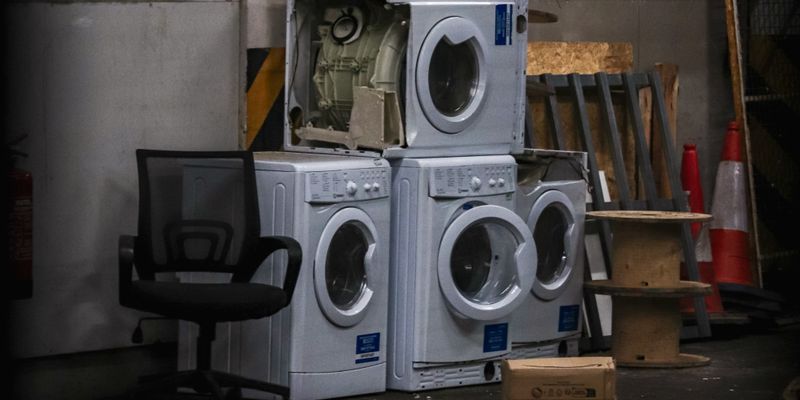
A dryer that runs but leaves clothes damp is one of the most common service calls, and the cause is often airflow rather than heat. A clogged lint screen, a crushed vent hose, or a vent line packed with lint restricts airflow so badly that moisture has nowhere to go. Cleaning the full vent run, not just the screen, restores performance and lowers fire risk at the same time. If the drum tumbles but stays cold, suspect a failed heating element in an electric dryer or a faulty igniter in a gas model. A dryer that overheats and shuts off early typically has a blocked vent or a failing thermostat. Long dry times can also come from an overloaded drum, a worn drum belt, or a moisture sensor coated with fabric softener residue, which is easily cleaned with a little vinegar. Anything involving the gas valve or burner assembly should always go to a licensed technician.
Why Dryers Stop Drying and How to Fix It
The blog title is: {_page_assist_blog_title} The blog subheading is: {_blog_tver2361_text_1} Write a detailed section under this subheading, discussing the subheading in relation to "dryer and washer repair". - don't repeat the blog subheading ({_blog_tver2361_text_1}) at start
Repair or Replace? Making the Right Call
The decision usually comes down to age, cost, and safety. Most washers and dryers last around ten to thirteen years. If your machine is past that mark and the repair bill approaches half the price of a new unit, replacement is the smarter long-term investment. The same applies when a second major failure hits within a year or two of the first. Repair is the better choice when the appliance is under eight years old, the fault is a single well-understood component like a pump, belt, or heating element, and the rest of the machine is in good shape. Safety pushes the decision the other way: repeated overheating, gas smells, or scorched wiring mean the unit should be replaced rather than patched. A reputable technician will give you an honest estimate and tell you when putting money into a repair no longer makes sense.